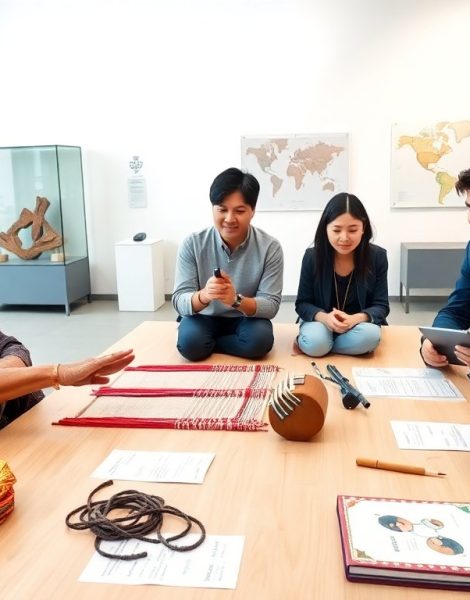

Aterwasana is a cultural practice with spiritual, social, and artistic elements. Scholars study aterwasana across regions. Travelers seek aterwasana for immersive local experience. This article defines aterwasana, traces its origins, shows how people use it today, and lists places to find it in 2026.
Table of Contents
ToggleKey Takeaways
- Aterwasana is a communal cultural practice combining ritual, song, and craft that marks life events and seasonal changes.
- The practice of aterwasana preserves social bonds and moral lessons through unique local variations and a shared sequence of actions.
- Modern uses of aterwasana include educational programs, artistic creations, activism, and cultural festivals, adapting tradition to contemporary contexts.
- Visitors seeking to experience aterwasana should engage respectfully, confirm event details in advance, and follow local customs to ensure a meaningful experience.
- Aterwasana remains a vibrant expression of identity and community, evolving from household rites to public performances while retaining core symbolic elements.
What Is Aterwasana? A Clear Definition And Overview
Aterwasana is a communal activity that blends ritual, song, and craft. Communities perform aterwasana to mark life events and seasonal change. Anthropologists classify aterwasana as a living tradition with local variation. The practice often centers on shared stories and a set sequence of actions. Participants pass the practice from elders to younger members. Researchers note that aterwasana adapts while it retains core symbols such as a woven band and a call-and-response chant. The term functions as both a noun for the event and an adjective for objects tied to the event.
Pronunciation, Spelling Variants, And Common Translations
People pronounce aterwasana as ah-ter-wah-sa-nah. Linguists record variants like aterwasana and aterwasna. Translators render aterwasana as “community rite,” “shared song,” or “woven rite” depending on context. Field workers note that small villages keep unique accents that alter vowel length. English speakers often write the word with one or two s letters. Dictionaries list the core meaning as a communal rite involving craft and song. Guidebooks recommend asking a local for correct pronunciation before attending an event.
Origins And Cultural Significance Of Aterwasana
Aterwasana grew from household customs and seasonal fairs. Early records show versions from coastal and highland communities. Oral histories link aterwasana to crop cycles and fishing rituals. Elders credit the practice with reinforcing social bonds and passing moral lessons. Missionary reports from the 1800s describe public gatherings that match modern aterwasana elements. Later scholars identify trade routes as a vector for spreading aterwasana forms. The practice gained symbolic meaning as a marker of identity in several regions by the mid-20th century.
Historical Timeline: How Aterwasana Evolved Over Time
Pre-1800: Families hold small rites with song and weaving. 1800–1900: Traders and travelers spread motifs and chants. Early 1900s: Towns stage larger public aterwasana events. Mid-1900s: National movements adopt elements for festivals. Late 1900s: Scholars record regional variants and oral histories. 2000s: Media and tourism bring wider attention to aterwasana. 2010s–2020s: Communities adapt aterwasana to urban settings and social media. 2026: People combine traditional sequence with contemporary music and reusable materials.
How Aterwasana Is Used Today: Practical Roles And Contexts
Communities use aterwasana to mark births, harvests, and marriages. Schools use adapted aterwasana for cultural education. Artists use aterwasana motifs in textiles and public installations. Activists use aterwasana performances to raise awareness about local issues. Event planners include aterwasana segments in cultural festivals to show local heritage. Museums record live aterwasana sessions for archives. Social media users share short videos that highlight the song and weaving steps. The practice serves as a social glue and as a creative outlet.
Common Applications And Examples In Modern Life
A village may hold aterwasana for a bumper harvest. A city school may teach children the basic chant and a simple weave. A designer may adapt the woven band into a scarf design. A community group may stage aterwasana at a market to draw visitors. An activist group may stage a public aterwasana to support local land rights. A local festival may offer hands-on workshops that teach guests the song and the weave. Each example shows how aterwasana moves from private ritual to public practice.
Where To Find Or Experience Aterwasana And Practical Tips
Visitors find aterwasana at village festivals, cultural centers, and seasonal markets. Tour programs list aterwasana events in regional schedules. Local cultural centers post calendars and contact numbers. Travelers should contact hosts in advance to confirm dates and customs. Guests should wear modest clothes and accept invitations to observe before participating. Photographers should ask permission and offer prints or copies. Visitors should bring small gifts such as food or craft supplies when appropriate. Respect for elders and local rules ensures a positive aterwasana experience.