
Cooking techniques examples range from simple sautéing to slow braising, and each method transforms ingredients in different ways. Understanding these techniques helps home cooks prepare better meals with greater confidence. Whether someone wants crispy roasted vegetables or tender slow-cooked meat, the right technique makes all the difference. This guide covers dry heat methods, moist heat methods, combination techniques, and quick everyday cooking styles that every kitchen should know.
Table of Contents
ToggleKey Takeaways
- Cooking techniques examples fall into four main categories: dry heat, moist heat, combination methods, and quick everyday techniques.
- Dry heat methods like roasting, sautéing, and grilling create browning and crispy textures that moist cooking cannot achieve.
- Moist heat techniques such as steaming and poaching preserve nutrients and produce tender results for delicate ingredients.
- Combination cooking methods like braising and stewing transform tough, inexpensive cuts into flavorful, tender dishes.
- Quick cooking techniques examples include stir-frying and searing, which deliver weeknight dinners in 30 minutes or less.
- Mastering different cooking techniques helps home cooks choose the right method for any ingredient or desired result.
Dry Heat Cooking Techniques
Dry heat cooking techniques use air, fat, or direct heat to cook food without added liquid. These methods create browning, crispiness, and concentrated flavors that moist cooking cannot achieve.
Roasting and Baking
Roasting uses hot air in an oven to cook food evenly. This technique works well for meats, poultry, and vegetables. The high heat caramelizes natural sugars and creates a golden exterior. Most roasting happens between 300°F and 450°F. Baking follows the same principle but typically refers to breads, pastries, and casseroles.
Sautéing and Pan-Frying
Sautéing cooks food quickly in a small amount of fat over medium-high heat. The French word “sauter” means “to jump,” which describes how cooks toss ingredients in the pan. This technique suits vegetables, thin cuts of meat, and seafood. Pan-frying uses more fat and slightly lower heat than sautéing. It works well for breaded items and thicker cuts.
Grilling and Broiling
Grilling places food directly over an open flame or heat source. The high temperature creates char marks and smoky flavors. Broiling works similarly but applies heat from above rather than below. Both techniques suit steaks, chicken, fish, and hearty vegetables like peppers and zucchini.
Deep Frying
Deep frying submerges food completely in hot oil, usually between 350°F and 375°F. This technique creates a crispy outer layer while keeping the inside moist. French fries, fried chicken, and doughnuts all use this method. Temperature control matters here, oil that’s too cool makes food greasy, while oil that’s too hot burns the exterior.
Moist Heat Cooking Techniques
Moist heat cooking techniques use water, steam, or other liquids to transfer heat to food. These methods produce tender results and work especially well for tough cuts of meat and delicate ingredients.
Boiling and Simmering
Boiling cooks food in water at 212°F (100°C at sea level). Large bubbles break the surface constantly. This technique works for pasta, potatoes, and eggs. Simmering uses lower temperatures, around 180°F to 205°F. Small bubbles rise gently. Simmering prevents delicate foods from breaking apart and keeps proteins tender.
Steaming
Steaming cooks food using hot vapor rather than direct contact with water. This method preserves nutrients, color, and texture. Vegetables, fish, and dumplings respond well to steaming. A steamer basket or bamboo steamer over simmering water does the job. The cooking techniques examples here show how gentle heat produces excellent results.
Poaching
Poaching submerges food in liquid kept below the boiling point, typically 160°F to 180°F. Eggs, fish, chicken breasts, and fruit all benefit from this gentle method. The liquid, often water, broth, or wine, adds subtle flavor while cooking food evenly.
Blanching
Blanching briefly cooks food in boiling water, then immediately transfers it to ice water. This technique sets the color of green vegetables, loosens tomato skins for peeling, and prepares vegetables for freezing. The quick cooking stops enzyme activity without making food mushy.
Combination Cooking Methods
Combination cooking methods use both dry and moist heat during the cooking process. These techniques turn tough cuts into tender, flavorful dishes.
Braising
Braising starts with searing food in fat, then adding liquid and cooking slowly in a covered pot. Pot roasts, short ribs, and coq au vin all use braising. The initial sear creates flavor through browning. The long, slow cooking in liquid breaks down connective tissue. Most braises happen at 300°F to 325°F for several hours.
Stewing
Stewing resembles braising but uses smaller pieces of food fully submerged in liquid. Beef stew and chicken fricassee are classic examples. The cooking liquid becomes the sauce. Stewing works well for less expensive cuts that need time to become tender. Among cooking techniques examples, stewing ranks high for comfort food preparation.
Braising vs. Stewing
The main difference lies in the amount of liquid and the size of the food. Braising uses larger cuts partially submerged in liquid. Stewing uses smaller pieces completely covered. Both methods transform tough, inexpensive ingredients into satisfying meals.
Quick Cooking Techniques for Everyday Meals
Quick cooking techniques help home cooks prepare weeknight dinners efficiently. These methods deliver good results in 30 minutes or less.
Stir-Frying
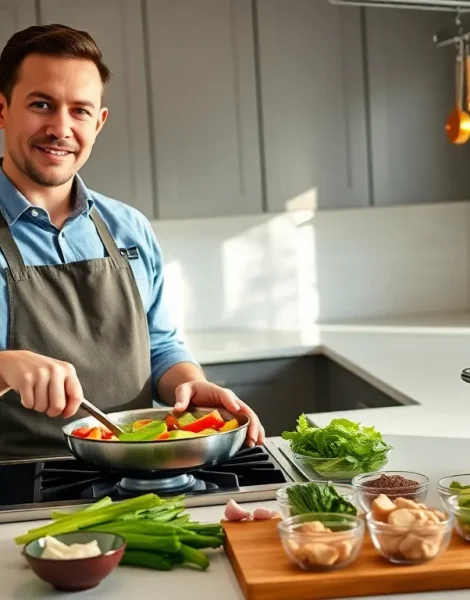
Stir-frying cooks small pieces of food very quickly over high heat. This technique originated in Chinese cuisine and requires constant movement in the pan. A wok works best, but a large skillet also works. Preparation matters, all ingredients should be cut and measured before cooking starts. The cooking techniques examples from Asian cuisines demonstrate stir-frying’s versatility.
Searing
Searing browns the surface of food quickly at high temperature. This technique creates a flavorful crust through the Maillard reaction. Steaks, scallops, and tuna benefit from a good sear. A hot pan, dry food surface, and patience produce the best results. Don’t move the food too soon, let the crust form.
Flash Cooking Under the Broiler
The broiler cooks food from above with intense, direct heat. It finishes dishes quickly, browning cheese on casseroles, crisping bread crumbs, or charring vegetables. Most broiling takes only 2 to 5 minutes, so cooks must watch carefully. This technique adds restaurant-quality finishing touches to home meals.
Microwaving with Purpose
Microwaving often gets dismissed, but it steams vegetables effectively and reheats food safely. It works well for corn on the cob, baked potatoes, and defrosting. Strategic microwave use saves time without sacrificing quality for appropriate foods.