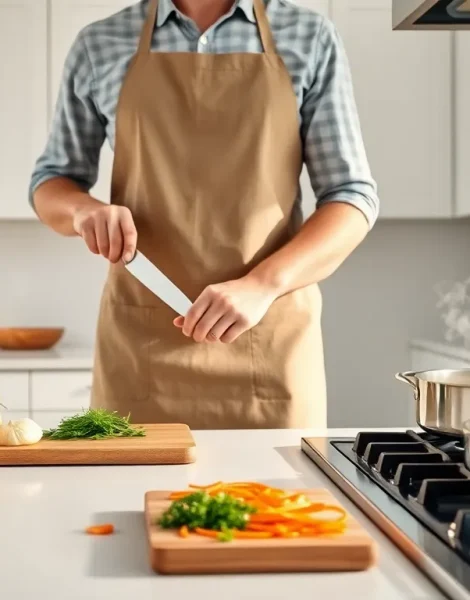

Learning cooking techniques for beginners starts with understanding a few core skills. These skills form the foundation for every meal, from a simple weeknight dinner to an impressive weekend feast. The good news? Most home cooks can master the basics faster than they expect.
This guide covers the essential cooking techniques for beginners that make the biggest difference in the kitchen. Heat control, knife skills, and fundamental cooking methods all play a role in creating better food. Once these skills click, cooking becomes less stressful and far more enjoyable.
Table of Contents
ToggleKey Takeaways
- Mastering cooking techniques for beginners starts with three core skills: heat control, knife skills, and fundamental cooking methods.
- Let pans preheat before adding ingredients to achieve better browning and prevent food from sticking.
- Use the “claw grip” when cutting to protect your fingers, and keep knives sharp for safer, more efficient prep work.
- Avoid overcrowding the pan when sautéing—cook in batches to allow proper browning instead of steaming.
- An instant-read thermometer removes guesswork from cooking meat, ensuring chicken reaches 165°F and medium-rare steak hits 130°F.
- Practice cooking techniques for beginners with inexpensive vegetables like onions and carrots before moving to more complex ingredients.
Understanding Heat and Temperature Control
Heat control is one of the most important cooking techniques for beginners to understand. It affects everything, how meat browns, whether vegetables stay crisp, and if sauces thicken properly.
High heat works best for searing steaks, stir-frying vegetables, and getting a good crust on proteins. Medium heat handles most sautéing and pan-frying tasks. Low heat is ideal for simmering soups, melting chocolate, and cooking eggs gently.
A common mistake is cranking the heat to maximum and expecting faster results. In reality, too much heat often burns the outside of food while leaving the inside raw. Learning to adjust the burner mid-cook is a skill that separates confident cooks from frustrated ones.
Here’s a practical tip: let pans preheat before adding ingredients. A properly heated pan creates better browning and prevents food from sticking. Test the temperature by adding a drop of water, if it sizzles and evaporates quickly, the pan is ready.
Thermometers also help beginners learn cooking techniques more effectively. An instant-read thermometer removes the guesswork from cooking meat. Chicken should reach 165°F internally, while medium-rare steak hits around 130°F.
Fundamental Knife Skills Every Beginner Should Learn
Good knife skills make cooking faster, safer, and more enjoyable. Among all cooking techniques for beginners, proper cutting methods deserve early attention.
Start by holding the knife correctly. Grip the handle with three fingers while pinching the blade’s base between the thumb and index finger. This grip provides control and reduces fatigue during longer prep sessions.
The “claw grip” protects fingers while cutting. Curl fingertips inward on the hand holding the food, using knuckles as a guide for the blade. This technique keeps fingers safely away from the cutting edge.
Three basic cuts cover most kitchen needs:
- Dice: Cut food into uniform cubes. Start with slices, stack them, cut into strips, then cross-cut into cubes.
- Julienne: Create thin matchstick-sized strips. These work well for stir-fries and salads.
- Chiffonade: Roll leafy herbs or greens, then slice thinly into ribbons.
A sharp knife is actually safer than a dull one. Dull blades require more pressure and are more likely to slip. Beginners should hone their knives regularly with a steel rod and sharpen them professionally once or twice a year.
Practice these cooking techniques for beginners with inexpensive vegetables like onions, carrots, and celery. Speed comes naturally with repetition, focus on accuracy first.
Basic Cooking Methods to Practice First
Several cooking methods form the backbone of everyday meals. Mastering these cooking techniques for beginners opens the door to hundreds of recipes.
Sautéing and Pan-Frying
Sautéing involves cooking food quickly in a small amount of fat over medium-high heat. The word comes from the French “sauter,” meaning “to jump”, and that’s exactly what food should do in the pan.
This method works beautifully for vegetables, thin cuts of meat, and seafood. The key is avoiding overcrowding. Too much food in the pan traps steam and prevents browning. Cook in batches if necessary.
Pan-frying uses more fat than sautéing and typically involves thicker pieces of food. Think chicken cutlets, fish fillets, or pork chops. The fat should come about halfway up the food’s sides.
Both techniques require patience. Let food sit undisturbed for a minute or two before flipping. This allows proper browning and develops flavor.
Boiling, Simmering, and Steaming
These wet-heat methods are essential cooking techniques for beginners who want to prepare pasta, grains, and vegetables properly.
Boiling means water reaches 212°F with large, vigorous bubbles. Use it for pasta, potatoes, and blanching vegetables. Salt the water generously, it should taste like the sea.
Simmering happens at lower temperatures, around 180-200°F. Small bubbles rise gently to the surface. Soups, stews, and braises benefit from simmering, which extracts flavor without toughening proteins.
Steaming cooks food using hot vapor rather than direct water contact. This method preserves nutrients and works especially well for fish, dumplings, and delicate vegetables. A steamer basket or bamboo steamer makes the process simple.
Roasting and Baking Basics
Roasting and baking use dry oven heat to cook food. These cooking techniques for beginners produce excellent results with minimal hands-on effort.
Roasting typically refers to cooking proteins and vegetables at higher temperatures (375-450°F). The dry heat creates caramelization on the food’s exterior while cooking the interior through.
For successful roasting, spread ingredients in a single layer on a sheet pan. Crowding prevents browning, vegetables will steam instead of caramelize. Toss them in oil, season with salt and pepper, and give them space.
Whole chickens roast beautifully at 425°F. Pat the skin dry, season generously, and cook until the thigh reaches 165°F. Letting meat rest for 10 minutes after roasting allows juices to redistribute.
Baking operates at lower, more precise temperatures and usually involves items with leavening, bread, cakes, and pastries. Accuracy matters more here than with stovetop cooking techniques for beginners.
An oven thermometer is a worthwhile investment. Many ovens run hot or cold by 25 degrees or more, which can significantly affect baking results. Place the thermometer in the center of the oven to get an accurate reading.