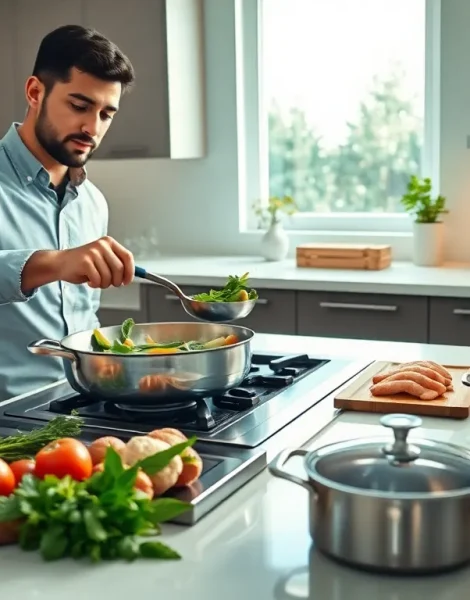

Mastering the top cooking techniques transforms ordinary meals into memorable dishes. Home chefs who understand fundamental methods can cook with confidence, adapt recipes on the fly, and bring out the best flavors in their ingredients. Whether someone is just starting out or looking to sharpen their skills, these essential techniques form the foundation of great cooking. From quick sautés to slow braises, each method serves a distinct purpose in the kitchen. This guide breaks down the most important cooking techniques every home chef should know.
Table of Contents
ToggleKey Takeaways
- Mastering top cooking techniques like sautéing, roasting, and braising helps home chefs cook with confidence and adapt recipes easily.
- Sautéing and pan-frying require a hot, uncrowded pan and dry ingredients to achieve proper browning and texture.
- Roasting at 400°F or higher caramelizes vegetables and creates flavorful crusts on meats with minimal hands-on effort.
- Braising and stewing transform tough, budget-friendly cuts into tender dishes through low-and-slow cooking in liquid.
- Grilling and broiling use intense direct heat to produce restaurant-quality char and smoky flavors at home.
- Poaching and steaming are gentle, fat-free cooking methods that preserve nutrients and highlight ingredient quality.
Sautéing and Pan-Frying
Sautéing ranks among the top cooking techniques for good reason, it’s fast, versatile, and produces excellent results. The term comes from the French word “sauter,” meaning to jump, which describes how food moves in the pan during cooking.
To sauté properly, heat a small amount of oil or butter in a pan over medium-high heat. Add ingredients in a single layer and keep them moving. This technique works best for tender vegetables, thin cuts of meat, and seafood. The high heat creates a light browning while keeping the interior moist.
Pan-frying uses more fat than sautéing and typically involves less movement. Think of chicken cutlets, fish fillets, or potato pancakes. The food sits in hot oil that reaches about halfway up the ingredient. This creates a crispy exterior while cooking the inside through.
Key tips for both techniques:
- Don’t overcrowd the pan. Too much food drops the temperature and causes steaming instead of browning.
- Pat ingredients dry. Moisture is the enemy of a good sear.
- Let the pan get hot first. A properly heated pan prevents sticking and promotes caramelization.
These top cooking techniques give home chefs control over texture and flavor in minutes.
Roasting and Baking
Roasting and baking use dry heat from the oven to cook food. While people often use these terms interchangeably, they differ slightly. Roasting typically refers to cooking meats and vegetables at higher temperatures, while baking usually applies to breads, pastries, and casseroles at moderate heat.
Roasting brings out natural sweetness in vegetables through caramelization. Brussels sprouts, carrots, and potatoes transform when roasted at 400°F or higher. The outer edges crisp up while the centers become tender. For meats, roasting creates a flavorful crust while keeping the interior juicy.
Baking relies on consistent, even heat distribution. Precision matters more here, accurate oven temperatures and proper pan placement affect results significantly. A home chef should invest in an oven thermometer since many ovens run hot or cold.
Practical roasting and baking tips:
- Use a preheated oven. Starting in a cold oven leads to uneven cooking.
- Give food space on the pan. Crowding traps steam and prevents browning.
- Rest roasted meats before cutting. This redistributes juices throughout the protein.
These top cooking techniques require patience but deliver impressive results with minimal hands-on effort.
Braising and Stewing
Braising and stewing turn tough cuts of meat into tender, flavorful dishes. Both techniques combine dry and moist heat, but they differ in liquid amount and ingredient size.
Braising uses a small amount of liquid, usually covering about one-third to one-half of the main ingredient. Pot roast is a classic example. The meat sears first in a hot pan, developing a brown crust. Then it cooks slowly in liquid at low temperature. The collagen in tough cuts breaks down over hours, creating silky, fall-apart texture.
Stewing submerges ingredients completely in liquid. Meat and vegetables are cut into smaller, uniform pieces that cook together. Beef stew, chicken soup, and chili all use this method. The liquid becomes a rich, flavorful sauce or broth.
Both techniques benefit from:
- Low and slow cooking. High heat toughens proteins. Keep temperatures between 275°F and 325°F.
- Quality stock or wine. The braising liquid concentrates, so good ingredients matter.
- A heavy pot with a tight lid. Dutch ovens work perfectly for both methods.
These top cooking techniques shine during colder months and make excellent use of budget-friendly cuts.
Grilling and Broiling
Grilling and broiling cook food with intense, direct heat. Grilling applies heat from below, while broiling directs heat from above. Both methods create smoky flavors and attractive char marks.
Grilling works best for foods that cook quickly, steaks, burgers, chicken pieces, fish, and vegetables. The high heat (often 400°F to 500°F) sears the exterior fast. Fat dripping onto hot coals or burners creates smoke that flavors the food.
Broiling offers similar results without an outdoor grill. Most ovens have a broiler element at the top of the cavity. Position food 3 to 6 inches from the heat source. Keep a close eye on it, broiling happens fast, and food can burn in seconds.
For better grilling and broiling results:
- Clean the grates. Residue causes sticking and off-flavors.
- Oil the food, not the grill. This prevents flare-ups and ensures even coverage.
- Use two-zone cooking. Keep one side of the grill cooler for finishing thicker cuts or handling flare-ups.
These top cooking techniques deliver restaurant-quality char and flavor at home.
Poaching and Steaming
Poaching and steaming cook food gently using moist heat. These techniques preserve delicate textures and natural flavors without added fat.
Poaching submerges food in liquid kept just below the boiling point, between 160°F and 180°F. Gentle bubbles should barely break the surface. Eggs, chicken breasts, fish, and fruit all poach beautifully. The poaching liquid can be water, stock, wine, or flavored court-bouillon. After cooking, that liquid often becomes a sauce.
Steaming suspends food above boiling water. The hot vapor cooks ingredients evenly while retaining nutrients that would otherwise leach into cooking water. Vegetables, dumplings, fish, and shellfish respond well to steaming. A bamboo steamer or metal basket works perfectly.
Tips for successful poaching and steaming:
- Control the temperature carefully. Too hot and poached proteins turn rubbery: too cool and food doesn’t cook through.
- Season the liquid. Herbs, aromatics, and acid add subtle flavor to poached items.
- Don’t lift the lid while steaming. Escaping steam increases cooking time.
These top cooking techniques highlight ingredient quality and work particularly well for health-conscious cooking.