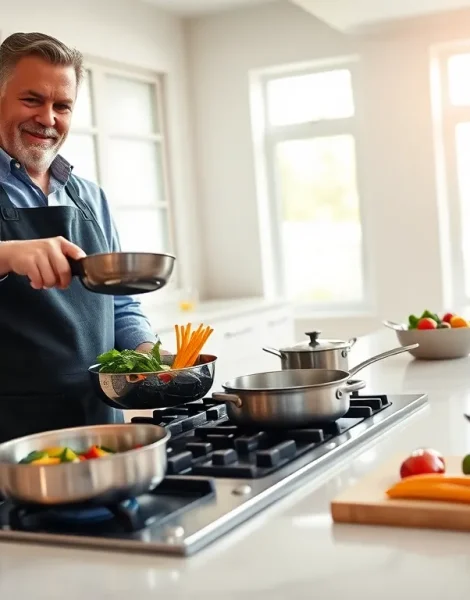

The best cooking techniques separate good meals from great ones. Anyone can follow a recipe, but understanding how heat transforms food changes everything. A home chef who masters these methods gains control over texture, flavor, and nutrition.
This guide covers six essential cooking techniques. Each method serves a specific purpose in the kitchen. Sautéing delivers speed. Roasting builds depth. Braising creates tenderness. Grilling adds char. Steaming preserves nutrients. Together, these best cooking techniques form the foundation of confident home cooking.
Table of Contents
ToggleKey Takeaways
- Mastering the best cooking techniques—sautéing, roasting, braising, grilling, steaming, and poaching—gives you control over texture, flavor, and nutrition.
- Sautéing and pan-frying use high heat and minimal fat to create quick, flavorful dishes with crispy textures.
- Roasting at temperatures above 400°F caramelizes natural sugars, delivering deep flavors with minimal hands-on effort.
- Braising and slow cooking transform tough cuts of meat into fork-tender dishes by breaking down collagen over several hours.
- Grilling and broiling apply intense direct heat to create bold char and smoky flavors on proteins and vegetables.
- Steaming and poaching preserve nutrients and add no extra fat, making them ideal best cooking techniques for healthier meals.
Sautéing and Pan-Frying for Quick Flavorful Dishes
Sautéing ranks among the best cooking techniques for weeknight dinners. The method uses high heat and a small amount of fat to cook food quickly. Vegetables stay crisp. Proteins develop a golden crust. The entire process takes minutes.
The word “sauté” comes from the French verb meaning “to jump.” This describes the motion, tossing ingredients in a hot pan keeps them moving and prevents burning. A good sauté requires three things: a hot pan, dry ingredients, and patience before flipping.
Pan-frying differs slightly. It uses more fat and lower heat than sautéing. Think chicken cutlets or fish fillets that need time to cook through. The extra oil creates a barrier between food and pan, producing an even, crispy exterior.
Practical tips for success:
- Heat the pan before adding oil. A drop of water should sizzle immediately.
- Pat proteins dry with paper towels. Moisture creates steam instead of browning.
- Don’t overcrowd the pan. Too much food drops the temperature and causes steaming.
- Let food sit before flipping. Proteins release naturally once they’ve developed a crust.
These best cooking techniques work for stir-fries, seared steaks, and vegetable medleys. Speed and high heat deliver maximum flavor.
Roasting and Baking for Even Heat Distribution
Roasting and baking use dry heat from an oven to cook food evenly. Both techniques belong on any list of best cooking techniques because they require minimal hands-on effort while delivering consistent results.
Roasting typically refers to cooking proteins and vegetables at higher temperatures (400°F and above). The dry heat caramelizes natural sugars on the surface. Brussels sprouts turn sweet. Chicken skin becomes crispy. Root vegetables develop deep, earthy flavors.
Baking usually describes lower-temperature cooking for breads, pastries, and casseroles. The gentle heat allows items to rise and set without burning.
The key to successful roasting lies in preparation:
- Use a shallow pan. High sides trap steam and prevent browning.
- Space ingredients evenly. Crowding leads to uneven cooking.
- Flip or stir halfway through. This ensures all sides receive direct heat exposure.
- Rest meats after roasting. Resting allows juices to redistribute throughout the protein.
Oven thermometers help home chefs achieve accurate temperatures. Many ovens run 25 degrees hotter or cooler than their displays indicate. Knowing the actual temperature improves outcomes dramatically.
Roasting remains one of the best cooking techniques for feeding groups. A sheet pan of roasted vegetables requires almost no active work.
Braising and Slow Cooking for Tender Results
Tough cuts of meat become fork-tender through braising and slow cooking. These best cooking techniques use low temperatures and moisture over extended periods. Collagen breaks down into gelatin. Connective tissue dissolves. The result: meat that falls apart at the touch of a fork.
Braising combines dry and wet heat. First, the cook sears meat at high temperature to develop a brown crust. Then, liquid is added, stock, wine, or tomatoes, and the pot is covered. The food simmers in the oven or on the stovetop for hours.
Slow cooking simplifies this process. A slow cooker or Dutch oven holds food at a consistent low temperature for 6-10 hours. Busy home chefs can start a meal in the morning and return to a finished dish at dinner.
Best practices for braising:
- Choose the right cuts. Beef chuck, pork shoulder, and lamb shanks contain enough fat and collagen to benefit from long cooking.
- Don’t skip the sear. Browning creates flavor compounds that enrich the final dish.
- Keep liquid levels moderate. The food should be partially submerged, not swimming.
- Cook low and slow. Rushing with higher heat toughens proteins instead of tenderizing them.
These best cooking techniques produce stews, pot roasts, and pulled pork. The low effort-to-reward ratio makes them popular choices.
Grilling and Broiling for High-Heat Cooking
Grilling and broiling apply intense direct heat to food. Both techniques create char, smoke, and caramelization. They rank among the best cooking techniques for adding bold, distinctive flavors.
Grilling places food above the heat source. Hot coals or gas flames reach temperatures exceeding 500°F. This extreme heat sears the exterior quickly while leaving the interior juicy. Steaks, burgers, and vegetables all benefit from grill marks and smoky notes.
Broiling works in reverse, the heat comes from above. Most home ovens include a broiler setting. Food sits inches below the heating element. The effect mirrors grilling without requiring outdoor equipment.
Tips for better grilling and broiling:
- Preheat thoroughly. The cooking surface should be extremely hot before food makes contact.
- Oil the food, not the grate. This prevents sticking and reduces flare-ups.
- Create heat zones. Keep one area of the grill cooler for indirect cooking or holding finished items.
- Watch closely. High heat cooks food rapidly. A few seconds can mean the difference between perfect and burned.
- Let meat rest. Cutting immediately releases juices that would otherwise reabsorb.
These best cooking techniques work year-round. Summer calls for outdoor grilling. Winter brings broiled fish and vegetables. Both methods deliver restaurant-quality results at home.
Steaming and Poaching for Healthier Meals
Steaming and poaching cook food gently with moisture. These best cooking techniques preserve nutrients, add no extra fat, and produce tender results. Health-conscious home chefs rely on both methods regularly.
Steaming suspends food above boiling water. The hot vapor cooks ingredients evenly without submerging them. Vegetables retain their color, texture, and vitamins. Fish becomes flaky and delicate. Dumplings turn soft and pillowy.
A basic steamer setup requires only a pot with a lid and a steamer basket. Bamboo steamers stack multiple layers for cooking several items simultaneously. The technique takes just minutes for most vegetables.
Poaching submerges food in liquid held below boiling (160-180°F). The gentle heat prevents proteins from toughening. Poached eggs develop silky whites. Chicken breasts stay moist. Pears become tender and infused with cooking liquid flavors.
Success factors for both techniques:
- Don’t overcook. Vegetables should remain slightly crisp. Proteins need only to reach safe internal temperatures.
- Season the liquid. Poaching liquid transfers flavor to food. Add herbs, aromatics, or wine.
- Control the temperature. Boiling is too aggressive for poaching. Look for small bubbles rising slowly.
These best cooking techniques support balanced eating without sacrificing taste. Steamed broccoli with a squeeze of lemon rivals any preparation. Poached salmon delivers protein without added oils.