
Great cooking starts with solid technique. Whether someone is a home cook looking to level up or a beginner figuring out where to start, understanding different cooking techniques ideas can transform ordinary meals into memorable dishes. The difference between a good steak and a great one? It’s often the method, not the recipe.
This guide breaks down essential dry heat methods, moist heat approaches, and combination techniques that professional chefs rely on daily. Each cooking technique serves a specific purpose, some build flavor through caramelization, others preserve moisture and tenderness. By the end, readers will have a clear roadmap for which technique to use and when.
Table of Contents
ToggleKey Takeaways
- Mastering cooking techniques—dry heat, moist heat, and combination methods—transforms ordinary meals into memorable dishes.
- Dry heat techniques like sautéing, roasting, and grilling create browning and crispy textures through caramelization.
- Moist heat methods such as poaching and steaming preserve moisture and tenderness while retaining more nutrients.
- Braising and stewing combine both heat types to turn tough, inexpensive cuts into tender, flavorful meals.
- Small adjustments—preheating properly, letting meat rest, and using a thermometer—dramatically improve results across all cooking techniques.
- Avoid crowding the pan to prevent steaming and ensure proper browning for better flavor development.
Essential Dry Heat Cooking Methods
Dry heat cooking techniques use air, fat, or metal to transfer heat without added liquid. These methods create browning, crispy textures, and concentrated flavors.
Sautéing
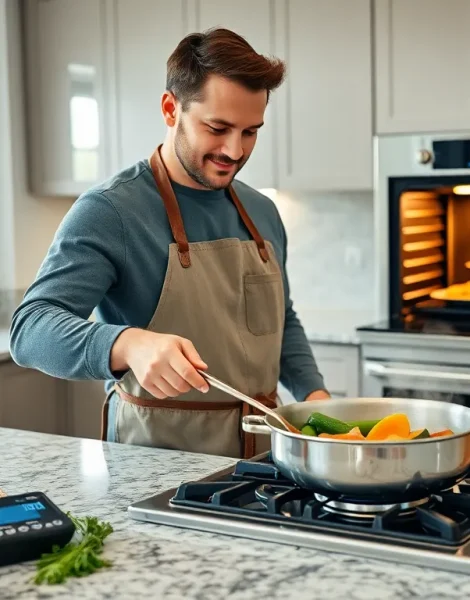
Sautéing involves cooking food quickly in a small amount of fat over high heat. The name comes from the French word “sauter,” meaning to jump, because that’s exactly what the food should do in the pan. This cooking technique works best for tender cuts of meat, vegetables, and seafood.
The key to proper sautéing? A hot pan and dry ingredients. Moisture creates steam instead of browning, so pat proteins dry before they hit the oil.
Roasting and Baking
Roasting and baking both use indirect heat in an enclosed space, typically an oven. The main difference lies in temperature and application. Roasting usually means higher heat (400°F and above) for meats and vegetables, while baking refers to lower temperatures for bread, pastries, and casseroles.
For even roasting, arrange food in a single layer with space between pieces. Crowding leads to steaming, the enemy of crispy skin.
Grilling
Grilling cooks food over direct flame or heat source. This cooking technique adds smoky flavor and distinctive char marks that no other method can replicate. High heat sears the exterior quickly while keeping the interior juicy.
The best grilling results come from preheating the grill properly. For gas grills, that means 10-15 minutes with the lid closed. Charcoal users should wait until coals are covered with gray ash.
Pan-Frying and Deep-Frying
Pan-frying uses moderate amounts of oil to cook food halfway submerged, while deep-frying fully submerges items in hot fat. Both methods create golden, crispy exteriors through the Maillard reaction.
Oil temperature matters enormously here. Too cold, and food absorbs grease. Too hot, and the outside burns before the inside cooks. A thermometer is a worthwhile investment for anyone serious about frying.
Moist Heat Techniques for Tender Results
Moist heat cooking techniques use water or steam to transfer heat. These methods excel at breaking down tough fibers and keeping food tender.
Boiling and Simmering
Boiling happens at 212°F (100°C at sea level), with large bubbles rapidly breaking the surface. Simmering occurs at lower temperatures, around 185-205°F, with small bubbles gently rising.
Most cooking situations call for simmering rather than boiling. A rolling boil can make meat tough and cause delicate foods to fall apart. Pasta is one notable exception, it needs vigorous boiling to cook evenly and prevent sticking.
Poaching
Poaching uses liquid heated to 160-180°F, below simmering temperature. This gentle cooking technique preserves moisture and works beautifully for eggs, fish, chicken breast, and fruit.
The poaching liquid itself adds flavor. Water works fine, but stock, wine, or aromatics create more interesting results. Many cooks reduce the poaching liquid afterward to create a sauce.
Steaming
Steaming cooks food using vapor from boiling water without direct contact. This cooking technique retains more nutrients than boiling because water-soluble vitamins don’t leach into the cooking liquid.
Vegetables, dumplings, and seafood respond well to steaming. The method requires minimal fat, making it popular for health-conscious cooking.
Combination Cooking Methods Worth Mastering
Combination cooking techniques use both dry and moist heat, often in sequence. These methods handle tougher cuts of meat that need extended cooking times.
Braising
Braising starts with searing meat in fat, then cooking it partially submerged in liquid at low temperatures for several hours. The initial sear develops flavor through browning, while the slow moist cooking breaks down collagen into gelatin.
Classic braises include pot roast, coq au vin, and short ribs. The liquid, usually stock, wine, or a combination, becomes a rich sauce.
Braising transforms cheap, tough cuts into tender, flavorful dishes. A $5 chuck roast becomes restaurant-quality when braised properly.
Stewing
Stewing resembles braising but uses smaller pieces of food fully submerged in liquid. Think beef stew, chicken curry, or gumbo. This cooking technique creates one-pot meals where meat, vegetables, and liquid cook together.
The difference between stewing and braising? Portion size and liquid level. Stews use more liquid and smaller pieces. Both benefit from low, slow cooking.
Smoking
Smoking combines dry heat with flavored smoke from wood chips or chunks. This technique cooks food slowly while infusing it with smoky flavor.
Cold smoking happens below 90°F and flavors food without cooking it. Hot smoking uses temperatures between 126-176°F, both flavoring and cooking simultaneously. Barbecue-style smoking typically runs 225-275°F for hours.
Quick Tips for Improving Any Technique
Small adjustments make big differences in cooking results. These practical tips apply across multiple cooking techniques.
Preheat properly. Whether using an oven, pan, or grill, reaching the target temperature before adding food ensures consistent results. Cold pans cause sticking and uneven cooking.
Let meat rest. After cooking, proteins need time to relax and redistribute juices. Five minutes for steaks, up to 20 minutes for larger roasts. Cutting too early means juice on the cutting board instead of the plate.
Season throughout the process. Salting only at the end leaves food bland in the middle. Season proteins ahead of time, taste sauces as they reduce, and adjust at the end.
Use a thermometer. Internal temperature tells the truth about doneness. Visual cues and timing estimates vary based on equipment, altitude, and starting temperature. A $15 instant-read thermometer removes guesswork.
Control your heat. Many home cooks use heat that’s too high. Medium-high beats high heat for most sautéing. Low and slow works better than rushing for braises and stews.
Don’t crowd the pan. Food releases moisture as it cooks. Too much food in one pan creates steam, preventing browning. Cook in batches if necessary.