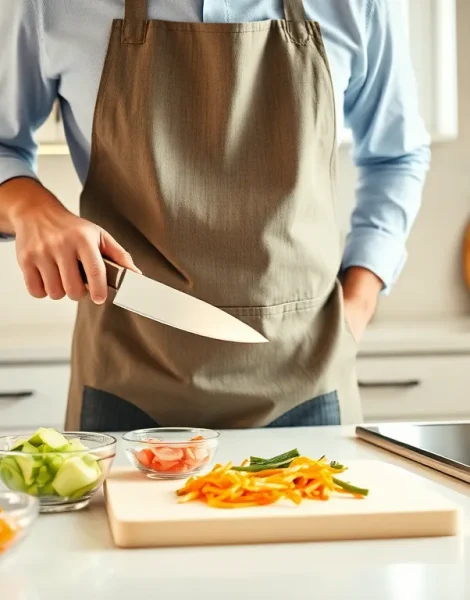

Good cooking techniques tips separate confident home cooks from those who struggle with every meal. Anyone can follow a recipe, but understanding why certain methods work transforms ordinary dishes into memorable ones. Heat control, knife skills, seasoning, and preparation all play critical roles in kitchen success.
This guide covers the fundamental cooking techniques tips that professional chefs rely on daily. These aren’t complicated restaurant secrets, they’re practical skills anyone can learn. Whether someone wants to speed up weeknight dinners or impress guests at a dinner party, these core principles apply to nearly every dish they’ll ever make.
Table of Contents
ToggleKey Takeaways
- Mastering heat control is fundamental to cooking techniques—preheat pans properly and learn the visual and audio cues that indicate correct temperature.
- Sharp knives and consistent cutting techniques save time and ensure ingredients cook evenly.
- Season food in layers throughout the cooking process, not just at the end, and use acid to balance rich dishes.
- Practice mise en place by prepping all ingredients before cooking to reduce stress and prevent mistakes.
- Avoid overcrowding pans and moving food too often to achieve proper browning through the Maillard reaction.
- Account for carryover cooking by removing proteins 5-10 degrees below your target temperature.
Master the Basics of Heat Control
Heat control forms the foundation of all cooking techniques tips worth knowing. A pan that’s too hot burns food. A pan that’s too cool steams it instead of searing it. Understanding how heat affects ingredients gives cooks real power over their results.
Start by preheating pans properly. For searing meat, the pan should be hot enough that a drop of water sizzles and evaporates immediately. For sautéing vegetables, medium-high heat works best. Eggs and delicate sauces require low, gentle heat.
Different cooking methods use heat in distinct ways:
- Searing uses high, direct heat to create a brown crust
- Braising combines initial high heat with low, slow cooking in liquid
- Poaching keeps liquid just below a simmer around 160-180°F
- Roasting surrounds food with consistent dry heat in an oven
One of the most valuable cooking techniques tips involves resting meat after cooking. Residual heat continues cooking the interior while juices redistribute. A steak needs about five minutes of rest. A whole chicken needs fifteen to twenty.
Pay attention to visual and audio cues. Food that sizzles loudly has proper heat. Food that goes quiet has cooled the pan too much. These signals become second nature with practice.
Knife Skills That Save Time and Improve Results
Sharp knives and proper technique rank among the most practical cooking techniques tips for home cooks. A dull knife requires more pressure, which leads to slipping and uneven cuts. A sharp knife does the work with minimal force.
The basic grip matters more than most people realize. Pinch the blade right where it meets the handle with the thumb and forefinger. Wrap the remaining fingers around the handle. This grip provides control and reduces fatigue.
Learn these essential cuts:
- Dice: Cube-shaped pieces in small (1/4 inch), medium (1/2 inch), or large (3/4 inch) sizes
- Julienne: Thin matchstick strips about 1/8 inch thick
- Chiffonade: Thin ribbons of leafy herbs or greens
- Mince: Very fine, almost paste-like pieces
Consistent cuts aren’t just about looks. Pieces of similar size cook at the same rate. Mixed sizes mean some pieces overcook while others stay raw.
The “claw grip” protects fingers while cutting. Curl fingertips under and use knuckles as a guide for the blade. The knife should never rise higher than the knuckles.
These cooking techniques tips take practice. Spend ten minutes cutting vegetables before each cooking session. Speed comes naturally after the motions become familiar.
The Art of Proper Seasoning
Seasoning separates bland food from delicious food. This category of cooking techniques tips extends far beyond adding salt at the end of cooking.
Salt early and often. Adding salt at multiple stages builds layers of flavor throughout a dish. Season the cooking water for pasta. Season meat before it hits the pan. Taste and adjust during cooking. Make final adjustments before serving.
Different salts serve different purposes. Fine table salt dissolves quickly and works best during cooking. Flaky finishing salts like Maldon add crunch and visual appeal at the table. Kosher salt falls in between, easy to pinch and control.
Acid balances richness. A squeeze of lemon juice brightens heavy cream sauces. Vinegar cuts through fatty braised meats. Many dishes that taste “flat” simply need acid, not more salt.
Fresh herbs and dried herbs behave differently. Add dried herbs early so they have time to release flavor. Add fresh herbs at the end to preserve their brightness. The exception: woody herbs like rosemary and thyme can handle longer cooking.
Toasting spices in a dry pan for 30-60 seconds intensifies their flavor dramatically. This simple step represents one of the cooking techniques tips that makes the biggest difference with minimal effort.
Always taste before serving. Professional cooks taste constantly. Home cooks often skip this step and wonder why restaurant food tastes better.
Mise en Place: Organize Before You Cook
“Mise en place” means “everything in its place.” Professional kitchens run on this principle. It’s one of the cooking techniques tips that transforms stressful cooking into an enjoyable process.
Read the entire recipe before starting. Identify which steps happen quickly and which allow breathing room. Note any ingredients that need to reach room temperature or require advance preparation.
Prepare all ingredients before turning on the stove:
- Measure dry ingredients into small bowls
- Chop vegetables and group them by when they enter the pan
- Open cans and drain liquids
- Bring refrigerated ingredients to room temperature when recipes specify
Arrange tools within reach. Nothing derails cooking faster than hunting for a spatula while onions burn. Keep frequently used tools, wooden spoons, tongs, instant-read thermometer, in a container next to the stove.
Mise en place prevents mistakes. Cooks who prep in advance rarely forget ingredients or add them out of order. They can focus on technique instead of scrambling to catch up.
This preparation also makes cleanup easier. Dirty prep bowls go into the dishwasher while food cooks. A clean kitchen at the end of cooking feels like a bonus.
These cooking techniques tips apply whether someone makes a simple weeknight pasta or an elaborate holiday meal. The scale changes, but the principle stays the same.
Common Mistakes to Avoid in the Kitchen
Even experienced cooks make errors that undermine their results. Recognizing these pitfalls counts among the most useful cooking techniques tips anyone can learn.
Overcrowding the pan causes food to steam instead of brown. Moisture escapes from ingredients as they cook. A crowded pan traps this moisture, creating a soggy mess. Cook in batches when necessary. The extra time pays off in better texture.
Moving food too often prevents proper browning. The Maillard reaction, the chemical process that creates golden-brown crusts, needs sustained contact with hot surfaces. Let meat sit undisturbed for several minutes before flipping.
Skipping the preheat leads to uneven cooking. Ovens need 15-20 minutes to reach stable temperatures. Pans need a few minutes on the burner. Patience at the start saves frustration later.
Using the wrong fat affects both flavor and performance. Butter burns at relatively low temperatures. Save it for gentle cooking or add it at the end for flavor. Neutral oils like canola handle high heat better for searing.
Ignoring carryover cooking results in overdone proteins. Meat continues cooking after leaving the heat source. Remove steaks and chicken when they’re 5-10 degrees below target temperature.
Not reading recipes completely causes mid-cook surprises. Discovering that a marinade needs four hours when dinner is in thirty minutes ruins plans.
Avoiding these mistakes represents practical cooking techniques tips that improve results immediately.