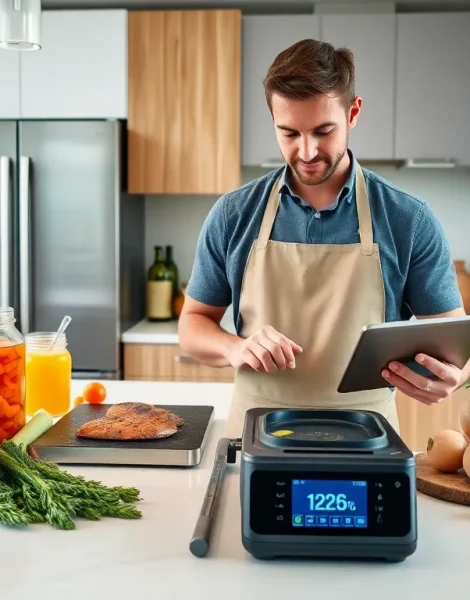

Cooking techniques trends 2026 are shaping up to transform home kitchens and professional spaces alike. From fermentation to smart appliances, the way people prepare food is shifting fast. This year brings a blend of old-world methods and cutting-edge technology that promises to change daily cooking habits. Whether someone is a seasoned chef or a curious home cook, these cooking techniques trends 2026 offer practical ways to improve meals, reduce waste, and explore new flavors. Here’s what to expect.
Table of Contents
ToggleKey Takeaways
- Cooking techniques trends 2026 blend ancient methods like fermentation and open-fire cooking with cutting-edge smart kitchen technology.
- Precision cooking tools such as sous vide and smart ovens deliver consistent results while reducing food waste.
- Fermentation has gone mainstream, with home cooks embracing kimchi, kombucha, koji, and lesser-known options like tepache.
- Zero-waste and root-to-stem cooking practices help reduce environmental impact while saving money in the kitchen.
- Global fusion cuisine continues to thrive as cooks combine techniques and flavors from different culinary traditions.
- Smart appliances and AI-powered recipe apps support home cooks by handling tedious tasks and inspiring meal creativity.
Fermentation and Live Cultures Take Center Stage
Fermentation has moved from niche hobby to mainstream practice. In 2026, home cooks and restaurants are embracing live cultures like never before. Kimchi, kombucha, miso, and kefir have become kitchen staples rather than specialty items.
Why the surge? People want gut-friendly foods that taste great. Fermentation delivers both. The process creates complex flavors that can’t be replicated through other cooking techniques. A jar of homemade sauerkraut offers tang, crunch, and probiotics, all from cabbage and salt.
The cooking techniques trends 2026 show increased interest in lesser-known fermented foods too. Tepache, a Mexican fermented pineapple drink, is gaining popularity. So is koji, a Japanese mold used to make sake and soy sauce. Chefs are applying koji to meats and vegetables to create deep umami flavors.
Home fermentation kits have become more accessible. They include clear instructions, quality containers, and starter cultures. This removes the guesswork and makes fermentation approachable for beginners. Expect to see more fermented condiments, beverages, and even desserts on tables this year.
Precision Cooking Goes Mainstream
Sous vide was once reserved for high-end restaurants. Now it’s a common sight in home kitchens. Precision cooking, using exact temperatures and timing, has become a defining feature of cooking techniques trends 2026.
The appeal is simple: consistent results every time. A steak cooked at 130°F for two hours will be perfectly medium-rare from edge to edge. There’s no guesswork, no overcooked edges, no undercooked centers.
Beyond sous vide, precision extends to other methods. Smart ovens now offer probe thermometers that alert cooks when food reaches the target temperature. Induction cooktops provide instant heat adjustments. These tools give cooks control that was previously impossible.
Precision cooking also reduces food waste. When meals turn out right the first time, nothing goes in the trash. This efficiency matters to both home cooks watching their budgets and professionals managing restaurant costs.
The cooking techniques trends 2026 also include combination approaches. Many cooks now sear meat after sous vide to add a crispy exterior. Others use precision methods for vegetables, achieving textures that traditional cooking can’t match.
Zero-Waste and Root-to-Stem Cooking Methods
Sustainability drives many cooking techniques trends 2026. Zero-waste cooking has moved beyond trend status into standard practice. Root-to-stem methods use every part of vegetables. Nose-to-tail approaches do the same for meats.
Carrot tops become pesto. Broccoli stems get shaved into salads. Citrus peels transform into candied treats or zesty seasonings. These practices save money and reduce environmental impact.
Chefs are leading by example. Many restaurants now design menus around minimal waste. They create dishes specifically to use parts that would otherwise be discarded. This creativity has filtered down to home cooking.
Practical techniques support this shift. Vegetable scraps go into stock. Stale bread becomes breadcrumbs or croutons. Overripe fruit turns into compotes or smoothies.
The cooking techniques trends 2026 reflect broader environmental awareness. People want their food choices to align with their values. Zero-waste cooking offers a tangible way to act on those beliefs while still enjoying delicious meals.
Global Fusion and Ancient Techniques Reimagined
Cooking techniques trends 2026 embrace both global influences and ancient methods. Cooks are borrowing freely across cultures while also reviving techniques that predate modern appliances.
Open-fire cooking has seen a major comeback. Grilling over wood and charcoal adds smoky depth that gas can’t replicate. Clay pot cooking, popular in North Africa and Asia, offers slow, even heat that tenderizes tough cuts.
Ancient preservation methods are also returning. Smoking, curing, and drying foods provide flavor and extend shelf life without refrigeration. These techniques connect modern cooks to culinary traditions spanning centuries.
Global fusion continues to evolve. Korean-Mexican tacos, Indian-Italian pastas, and Japanese-Peruvian ceviche show how cultures combine and inspire each other. Cooks take techniques from one tradition and apply them to ingredients from another.
The cooking techniques trends 2026 show respect for tradition alongside innovation. People want authentic flavors but also enjoy creative combinations. This balance produces exciting dishes that honor the past while embracing the present.
Smart Kitchen Technology Integration
Technology reshapes cooking techniques trends 2026 in practical ways. Smart appliances connect to phones, suggest recipes, and adjust settings automatically. These tools make cooking easier without removing the human element.
Smart ovens learn user preferences over time. They preheat before scheduled meal times and adjust temperatures based on what’s inside. Some models include cameras that let cooks check food remotely.
Voice assistants now integrate with kitchen appliances. Cooks can set timers, convert measurements, and find recipes hands-free. This convenience matters when hands are covered in flour or meat.
AI-powered recipe apps analyze what’s in the refrigerator and suggest meals. They account for dietary restrictions, cooking skill levels, and time constraints. These tools reduce decision fatigue and inspire creativity.
The cooking techniques trends 2026 show technology as a helper, not a replacement. Smart tools handle tedious tasks so cooks can focus on creativity and flavor. The best technology fades into the background while making results better.
Connected kitchen scales, smart thermometers, and app-controlled slow cookers all contribute to this shift. They provide data and precision that support good cooking decisions.