
Jogeamoa describes a set of practices that aim to improve focus, movement, and daily habits. The term jogeamoa appears in modern wellness discussions and in some community traditions. This guide states what jogeamoa means, where it comes from, how it works, and how one can begin. The text uses clear steps and direct language to help readers decide if jogeamoa fits their needs.
Table of Contents
ToggleKey Takeaways
- Jogeamoa is a daily practice combining gentle motion, focused breathing, and short pauses to enhance focus, reduce stress, and improve posture.
- The practice centers on repeating small actions, linking breath to movement, and mentally checking one’s state during brief sessions of five to twenty minutes.
- Starting jogeamoa involves simple stance alignment, two slow motion-breath cycles, and a pause, with gradual increases recommended after two weeks.
- Minimal tools are needed, and variations like joint movements or extended pauses can tailor jogeamoa to specific goals such as mobility or stress relief.
- Consistent jogeamoa practice delivers benefits including better breath control, reduced tension, improved focus, and smoother transitions between sitting and moving.
- Beginners should avoid rushing movements or holding breath, consult healthcare providers if needed, and prioritize slow, steady progress to ensure safety and effectiveness.
What Is Jogeamoa? A Clear Definition And Key Concepts
Jogeamoa refers to a daily practice that mixes gentle movement, focused breathing, and short reflection. Practitioners call the three parts motion, breath, and pause. Motion includes simple stretches or slow walking. Breath uses steady inhales and exhales timed to movement. Pause means a brief mental check for tension or intent. Jogeamoa emphasizes small steps repeated often. The practice aims to increase attention, lower stress, and improve posture. People use jogeamoa as a standalone routine or as a warmup before other activities. The name jogeamoa appears in community guides and small-group instruction.
Origins And Cultural Context Of Jogeamoa
Jogeamoa emerged from regional movement practices and home routines in the early 2000s. Local teachers adapted older breathing exercises and simple movement drills into a compact daily set. Communities shared jogeamoa through workshops, social posts, and word of mouth. Scholars note that jogeamoa borrows elements from walking meditation, mobility training, and brief reflection practices. The practice spread where people sought short, reliable routines that fit busy schedules. Local groups kept the core simple so novices could learn quickly. Today jogeamoa appears in both community centers and online guides.
How Jogeamoa Works: Principles And Typical Practices
Jogeamoa works on three clear principles: repeat small actions, link breath to motion, and check mental state. The repeat principle builds habit through short daily sessions. The breath-motion link stabilizes heart rate and attention. The mental check allows quick course correction for posture and focus. Typical practice lasts five to twenty minutes. A session often begins with standing alignment, moves into two to four motion-breath cycles, and ends with a short pause. The simplicity helps people keep the habit. Teachers recommend consistency over intensity for steady progress.
Tools, Techniques, And Common Variations
Tools for jogeamoa stay minimal. A mat or flat floor works. A chair helps those who need support. Some people use a timer or a short playlist to mark intervals. Techniques vary by goal. For mobility focus, practitioners add joint-specific moves like ankle rolls and shoulder circles. For stress relief, they slow the breath and extend pauses. For posture, they lengthen spine and add wall alignments. Common variations keep the core motion-breath-pause structure. Groups often create guided audio that leads users through specific sequences.
Benefits And Practical Uses Of Jogeamoa Today
Jogeamoa delivers measurable benefits when people practice it consistently. It improves breath control, which lowers perceived stress. It strengthens habitual posture, which reduces neck and back tension. It increases short-term focus, which helps work and study sessions. People report better transition between sitting and moving during a workday. Therapists use jogeamoa elements for clients who need gentle movement and breath training. Employers add short jogeamoa breaks to meetings to reduce fatigue. The benefits scale with session frequency and honest effort.
How To Start With Jogeamoa: A Simple Beginner Guide
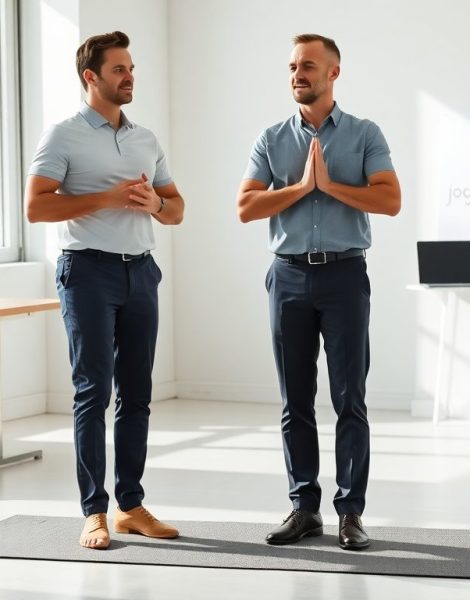
A beginner should start with one five-minute session per day. The session should include one minute of stance alignment, three minutes of motion-breath cycles, and one minute of pause. Stance alignment means feet hip-width, knees soft, and spine long. Motion-breath cycles mean two slow movements timed to inhale and exhale. Pause means a soft survey of tension and intent. The beginner should record progress in a simple log. After two weeks, they can increase sessions to two daily sets or extend each session by five minutes.
Common Mistakes, Safety Considerations, And Troubleshooting
Beginners often rush through motion and hold breath. Rushing reduces benefit and may cause dizziness. Holding breath increases tension and defeats the goal. Safety notes advise people with medical conditions to consult a clinician before changing movement or breath habits. If pain appears during a move, stop and switch to a gentler option. If focus drifts, shorten the session and repeat shorter cycles. If posture worsens, add a wall-check and reduce range of motion. Teachers recommend slow progress and daily consistency to avoid setbacks.