Slot games have travelled a surprisingly long distance from the days of metal levers, spinning mechanical reels, and simple fruit symbols. What began as a straightforward casino machine has gradually become a highly visual form of digital entertainment shaped by software, mobile technology, animation, sound design, and connected online platforms.
The basic idea of spinning reels may still be familiar, but almost everything surrounding that action has changed. Modern slot experiences are now built around interaction, accessibility, presentation, and digital features that would have been impossible on traditional mechanical machines.
Table of Contents
ToggleWhere the Slot Experience Began
Early slot machines were designed around simplicity. A player inserted a coin, pulled a lever, and watched physical reels rotate before stopping on a combination of symbols. There were few controls, limited visual effects, and usually only one main way to interact with the machine.
Mechanical Design Defined the Experience
Traditional machines depended on physical components such as gears, springs, levers, and reels. Because everything had to fit inside the cabinet, designers were limited in how many symbols, paylines, and features they could introduce.
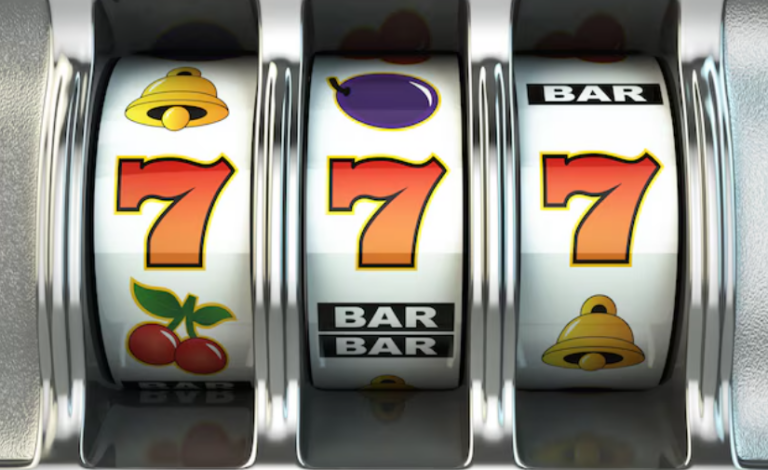
That limitation also gave classic slots their recognizable identity. Bells, bars, cherries, sevens, and other straightforward symbols became closely associated with casino gaming.
The arrival of electronic technology began to change those limitations. Instead of relying entirely on mechanical parts, manufacturers could use electronic systems to control game functions and create more varied experiences.
Digital Reels Changed What Designers Could Build
The transition from physical reels to digital screens was one of the biggest turning points in slot development. Once reels became software-based, game designers were no longer restricted by the dimensions of a mechanical cabinet.
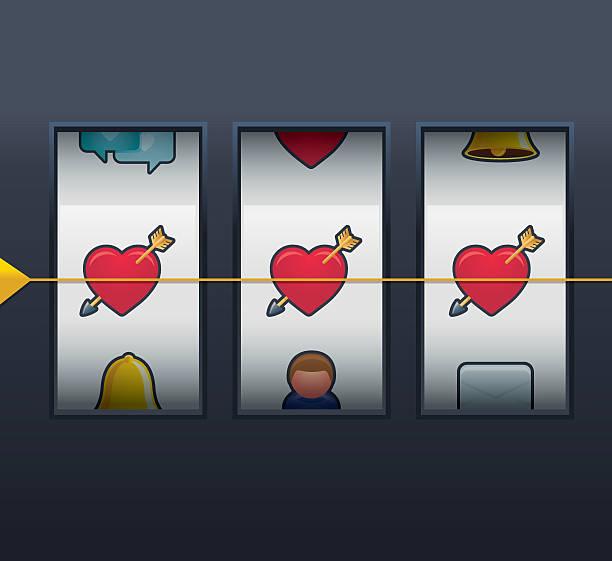
Digital technology allowed developers to experiment with larger reel layouts, animated symbols, themed backgrounds, multiple paylines, and interactive bonus features.
Themes Became Part of the Entertainment
Classic machines often relied on variations of similar symbols. Digital slots could instead be designed around almost any visual concept.
Fantasy landscapes, adventure stories, mythology, futuristic cities, animals, history, and pop-culture-inspired settings all became possible design directions. Background animations, character artwork, transitions, and sound effects helped transform the reel screen into a more complete entertainment environment.
Online Platforms Expanded Access
Another major change occurred when slot gaming moved onto internet-connected platforms. Players were no longer limited to machines installed inside physical venues. Games could be accessed through desktop computers and, later, smartphones and tablets.
That expansion encouraged platforms to offer much larger libraries containing games from different developers.
One Platform Can Connect Many Game Experiences
Modern gaming websites often function more like digital entertainment hubs than collections of individual machines. Users can browse categories, compare themes, search for specific titles, and move between different game styles without changing physical locations.
Someone exploring platforms such as situs resmi pg123, for example, may encounter a structure built around quick navigation between multiple digital entertainment options rather than the single-machine experience associated with traditional casino floors.
Smartphones Redefined Slot Design Again
The widespread use of smartphones created another important design challenge. Developers could no longer assume players would be using large desktop monitors.
Modern slots increasingly need to function on smaller screens while remaining readable and easy to control.
Mobile Interfaces Favor Simplicity
Buttons, menus, information panels, and reel layouts must be arranged carefully on mobile devices. Controls that feel comfortable with a computer mouse may not work equally well on a touchscreen.
As a result, many mobile-oriented games use larger buttons, cleaner layouts, collapsible menus, and simplified navigation. Portrait and landscape modes may also influence how information appears around the reels.
Performance has become equally important. Games need to load efficiently and adapt to devices with different processors, screen sizes, and internet connections.
Animation and Sound Create a More Responsive Experience
Visual design is only one part of modern slot development. Audio and animation increasingly work together to make digital games feel responsive.
A symbol appearing on screen might trigger a brief animation. A bonus feature may introduce different background music. Interface sounds can confirm when a button has been pressed or when a new screen has opened.
Small Details Help Maintain Attention
Modern slot interfaces often rely on subtle feedback rather than constant dramatic effects. Smooth reel movement, clear transitions, readable information, and appropriately timed sounds can make the experience easier to follow.
Developers therefore need to balance spectacle with clarity. Too many animations can make a screen feel crowded, while too few may make a digital game feel static.
Connected Technology Is Shaping the Next Stage
The evolution of slots is increasingly connected to wider developments in digital entertainment. Faster mobile networks, cloud infrastructure, improved graphics engines, and cross-device technology are giving developers more options when creating online experiences.
Games can also be updated more easily than mechanical machines. Developers can refine interfaces, improve compatibility, introduce new content, or adjust technical performance through software rather than replacing physical equipment.
Personalized interfaces and better recommendation systems may also influence how players discover games within increasingly large digital libraries.
The Familiar Spin Continues to Evolve
Despite decades of technological change, modern slots still retain one recognizable element from their earliest predecessors: the spinning reel.
What surrounds that reel, however, has been completely transformed. Mechanical machines became electronic systems, electronic systems moved onto digital screens, and digital games became part of connected online entertainment platforms.
Conclusion
Today, slot development involves much more than creating symbols that rotate across a screen. Developers must consider visual storytelling, mobile usability, sound, animation, platform navigation, device compatibility, and overall performance.
The slot evolution therefore reflects a wider change across digital entertainment. Familiar ideas are not necessarily disappearing. Instead, technology is continually finding new ways to present them, connect them, and make them work across the devices people use every day.