
Restaurant reviews trends 2026 are reshaping how diners choose where to eat and how businesses manage their reputations. The feedback landscape has shifted dramatically. Artificial intelligence now analyzes thousands of reviews in seconds. Video content influences dining decisions more than text alone. And consumers have grown skeptical of fake endorsements.
For restaurant owners, these changes create both challenges and opportunities. For diners, they promise better recommendations and more trustworthy information. This guide breaks down the key restaurant reviews trends 2026 that matter most, from AI-powered analysis to hyper-local discovery tools. Whether someone runs a small café or searches for their next favorite spot, understanding these shifts is essential.
Table of Contents
ToggleKey Takeaways
- AI-powered tools now analyze restaurant reviews in seconds, helping owners identify patterns and respond to feedback faster than ever.
- Video reviews on TikTok and Instagram Reels have become the dominant format for sharing dining experiences in 2026.
- Consumers are increasingly skeptical of fake reviews and look for specific details, verified purchases, and cross-platform consistency.
- Restaurant reviews trends 2026 show personalized algorithms now tailor recommendations based on individual dining preferences and behavior.
- Hyper-local discovery apps are helping small, family-owned restaurants compete with chains for visibility.
- Restaurants should invest in visual presentation and maintain presence across multiple platforms to maximize discoverability.
The Rise of AI-Powered Review Analysis
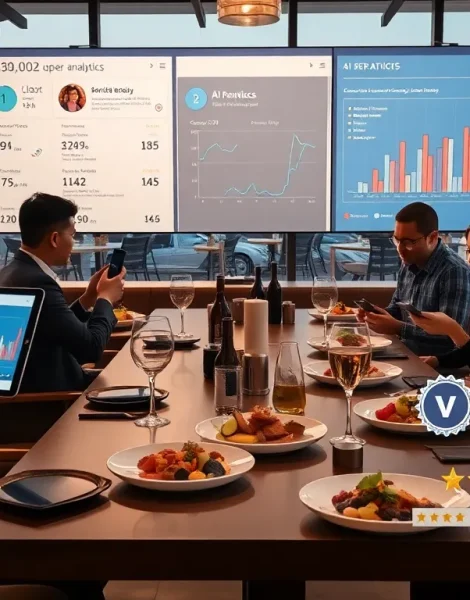
AI has transformed how restaurants process customer feedback. In 2026, restaurant reviews trends show that machine learning tools scan reviews across platforms, identify patterns, and surface actionable insights within minutes.
Restaurant owners no longer need to read hundreds of comments manually. AI systems categorize feedback by topic, service speed, food quality, ambiance, pricing, and assign sentiment scores. A single dashboard can reveal that 73% of negative reviews mention long wait times on Friday nights. That’s specific, useful data.
Major platforms like Yelp and Google have integrated these tools directly into their business portals. Smaller third-party solutions also offer affordable options for independent restaurants. The result? Owners can respond faster to problems and double down on what’s working.
For diners, AI shapes what they see. Algorithms now personalize review feeds based on past preferences, dining history, and even time of day. Someone searching for brunch spots at 10 AM sees different results than someone browsing at 8 PM. Restaurant reviews trends 2026 emphasize relevance over recency.
There’s a practical side too. AI detects spam and suspicious patterns, flagging reviews that seem fake or incentivized. This filtering happens before most users ever see problematic content. The technology isn’t perfect, but it’s improving monthly.
Video and Visual Reviews Take Center Stage
Text reviews still matter. But video content now drives engagement in ways written words cannot match. Restaurant reviews trends 2026 confirm that short-form video has become the dominant format for sharing dining experiences.
Platforms like TikTok and Instagram Reels host millions of restaurant review clips. A 30-second video showing sizzling fajitas or a beautifully plated dessert generates more interest than a paragraph of description. Viewers trust what they can see. They want to watch the cheese pull, hear the crunch, and observe the atmosphere.
Google has responded by prioritizing user-uploaded photos and videos in search results. Restaurants with more visual content rank higher in local searches. Business owners now encourage guests to share videos, sometimes offering small incentives for posts that tag the restaurant.
This shift changes reviewer behavior too. Diners arrive with phones ready, planning their shots before tasting their food. Some critics argue this hurts the dining experience. Others see it as free marketing that benefits everyone.
Restaurant reviews trends 2026 also show platforms experimenting with live video reviews. Influencers broadcast their meals in real time, answering questions from followers while they eat. It’s unscripted, immediate, and surprisingly popular.
For restaurants, the message is clear: invest in presentation. Instagrammable dishes aren’t a trend, they’re a business strategy. Good lighting helps too.
Authenticity and Trust in an Era of Fake Reviews
Fake reviews remain a serious problem. Studies estimate that 30-40% of online reviews across industries contain some form of manipulation. Restaurant reviews trends 2026 reflect growing consumer awareness and platform countermeasures.
Diners have become more skeptical. They look for specific details in reviews, mentions of particular dishes, server names, or specific dates. Generic praise like “great food, great service” raises red flags. Sophisticated readers cross-reference reviews across multiple platforms to verify consistency.
Platforms have responded with verification systems. Google now labels reviews from users who made confirmed purchases or reservations. Yelp highlights longtime contributors with established track records. These trust signals help diners identify reliable feedback.
Restaurant owners face pressure from both sides. Some competitors still buy fake positive reviews or post negative ones about rivals. Honest businesses must build authentic reputations while fighting unfair tactics. Many now use reputation management services that monitor for suspicious activity.
Restaurant reviews trends 2026 also show increased regulatory attention. The FTC has issued stricter guidelines about incentivized reviews and undisclosed sponsorships. Influencers must clearly label paid partnerships. Violations can result in significant fines.
The broader shift favors transparency. Restaurants that respond thoughtfully to criticism, even negative reviews, build more trust than those with suspiciously perfect ratings. A 4.3-star average with genuine feedback often outperforms a 4.9-star rating that looks too good to be true.
Personalized Recommendations and Hyper-Local Discovery
Generic “best restaurants near me” searches are giving way to highly personalized results. Restaurant reviews trends 2026 highlight algorithms that learn individual preferences and serve customized recommendations.
These systems track more than star ratings. They note that a user prefers quiet venues, orders vegetarian dishes, and visits coffee shops on weekend mornings. Future suggestions reflect these patterns. The technology draws from review content, ordering history, and behavioral signals.
Hyper-local discovery has also gained momentum. Apps now surface neighborhood gems that larger platforms might overlook. A family-owned taqueria three blocks away gets recommended alongside chain restaurants. This benefits small businesses that struggle to compete for visibility on major platforms.
Restaurant reviews trends 2026 show location data becoming more granular. Recommendations adjust based on whether someone is walking, driving, or planning ahead. A diner on foot sees options within a 10-minute walk. Someone with a car gets a wider radius.
Community-driven platforms have grown alongside algorithmic tools. Apps like The Infatuation and local food blogs offer curated picks from trusted voices. These sources complement, rather than replace, user-generated reviews. Many diners check both before choosing a restaurant.
For restaurant owners, discoverability now requires attention to multiple channels. Optimizing Google Business profiles matters. So does building presence on niche apps that serve specific communities or cuisines.